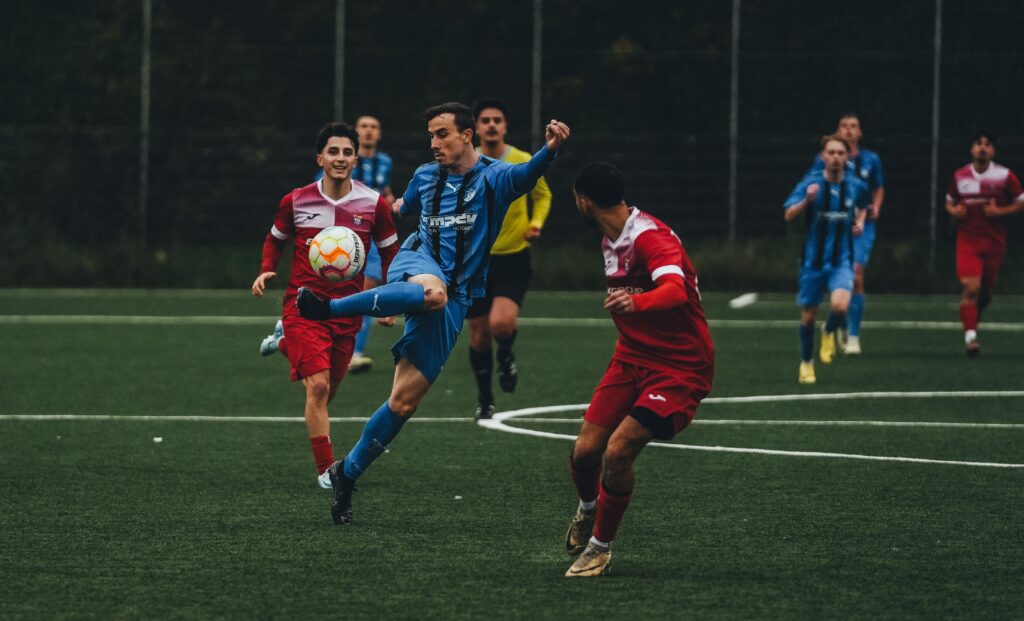
Sports are no longer really tied to geography, at least not in the way they used to be. With digital platforms, there’s been this shift where fans from different corners of the world can connect instantly, almost immediately. And it’s kind of like a shared global moment now, supporters tend to track teams, players, and games together in real time, even if they’re thousands of miles away.
In the United States, you can see fans getting more into international leagues, especially since the trends keep growing. You’ll notice it through streaming services and social media platforms, too.
Celebrity Athletes as Cultural Icons
Modern athletes are kind of more than just competitors. They are influencers, entrepreneurs, and also public faces who shape opinions and trends in a daily way. When they show up on platforms like Instagram and YouTube, fans can connect past the stadium, past the field. That extra visibility builds loyalty, and it keeps audiences interested even when it’s off-season. Also, the mix of sports and entertainment has made athletes part of everyday talk, sort of like actors or musicians do.
Streaming Platforms and Content Expansion
Entertainment platforms have somehow reworked the way sports get watched, like not just the match anymore. Livestreaming, documentaries, and those behind-the-scenes bits give fans more than “the game”, period. Services such as Netflix and Amazon Prime have put real money into sports storytelling, and it builds a kind of emotional tie between fans and the teams. They tend to spotlight personal journeys, rivalries, and the obstacles along the way, so sports feel more relatable and even a bit more involving for a broader public.
Social Media and Real-Time Interaction
Social media kind of plays this major role in shaping fan behavior; it’s like a constant pressure, and platforms such as Twitter, TikTok, and Instagram let fans react in real time, share their viewpoints, and jump into discussions. Memes, short videos, and live reactions have become a normal part of the sports experience. And somewhere inside this whole digital shift, the trends in soccer are usually pulled along by:
- Viral match highlights that spread within minutes
- Player interactions and behind the scenes moments
- Fan created edits, memes, and commentary
- Real time debates and trending hashtags during games
These elements keep audiences constantly engaged and emotionally invested.
Brand Collaborations and Cross Industry Influence
The sports and entertainment industries are now kind of deeply linked, in a way. Through collaborations, athletes partner up with fashion brands, music artists, and even gaming companies to expand their reach or viewership, depending on how you look at it. These partnerships pull in new audiences who might not have followed sports in the usual sense. Like, limited edition merch, or a music collab, can spotlight teams and players too, and that can create a bigger cultural ripple, beyond the stadium.
The Future of Sports Engagement
As technology continues to evolve, the way fans interact with sports is going to keep shifting, like, all the time. Virtual reality, augmented experiences, and personalized content will make engagement feel more immersive, not just “watching”. Fans will start expecting more access, more back-and-forth interaction, and way more storytelling, like, woven in naturally. In this changing environment, trends in soccer will likely keep steering how global audiences connect with sports, mixing the competition side with entertainment in fresh and exciting ways.
Summary
Global fandom and celebrity culture have transformed sports into this lively kind of entertainment, really. You know, from social media shouts and quick replies to streaming stuff, fans now get to experience sports in a more personal way, and somehow more captivating too. Meanwhile, as people across the United States keep turning toward international games, the trends in soccer will stick around as a main catalyst for how sports are followed, argued about, and celebrated across many platforms.